
The Warrior’s Code and Its Cost
Heart of the HunterThis thematic thread follows Thobela’s effort to replace distant, deniable killing with face-to-face confrontation and discover whether that code can make violence honourable.
increasing Bearing strength in each event
 decreasing
Bearing strength in each eventdecreasingThe First Shot
The First Shot
A Target in the Scope
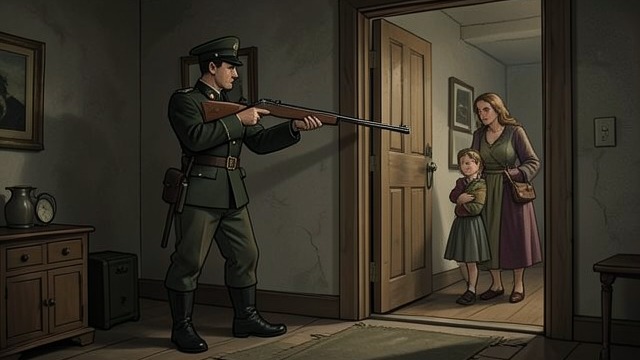
Thobela waits with an SVD sniper rifle for a man to emerge from a doorway. A woman and child appear in the sight, and their presence freezes him before he fires.
Violence without Honour
The memory becomes a measure of what his training asks him to do. Even when the target is defined as an enemy, the act does not feel like an honest contest.
The Assegai Chosen
The Assegai Chosen
Rejecting Distance
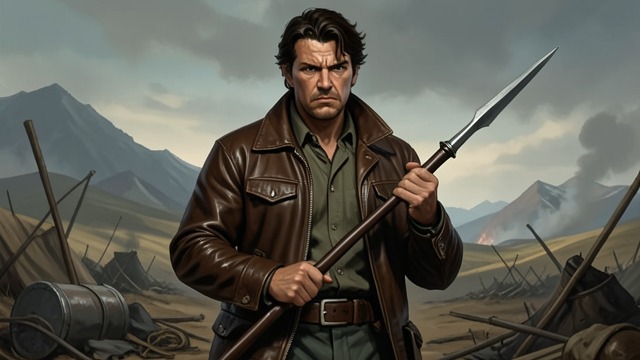
Thobela chooses a short-handled assegai as his preferred weapon, believing that he must look an opponent in the eye and feel the person’s breath. The choice is meant to restore a warrior’s directness to a hidden war.
A Code Misapplied
The symbolic weapon cannot make every target a worthy opponent. His later victims include civilians and officials who cannot fight back, exposing the limits of the code.
A Face-to-Face Challenge
A Face-to-Face Challenge
Naming the Enemy
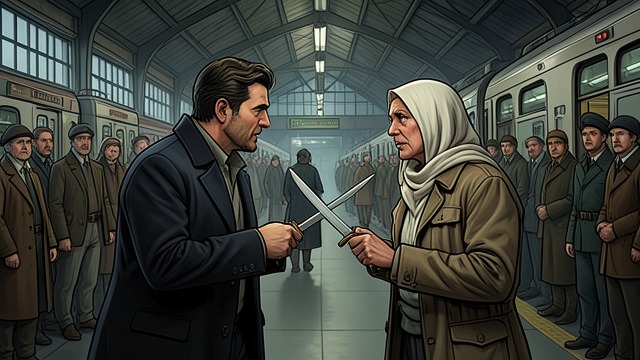
Thobela confronts Marion Dorffling in a Paris train and asks whether he knows where he will go when he dies. The question turns the assassination into a personal encounter.
The Hunter’s Strike
He kills Dorffling with the assegai and treats the act as a warrior’s victory. The opening scene establishes a code whose apparent honour will later be questioned by Thobela himself.
A Rifle’s Shame
A Rifle’s Shame
A Woman and Child in View
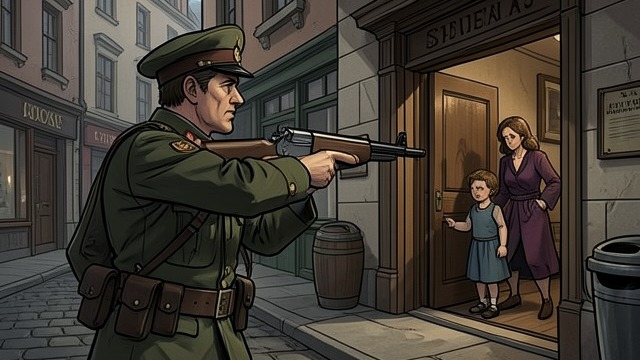
Thobela remembers aiming at a man in Munich, then seeing a woman and child enter the rifle’s scope. He stops, but the decision comes after training has already placed him on the path to kill.
A Code Reexamined
He recognizes that choosing proximity does not absolve him of the purpose he served. A warrior’s vocabulary can conceal wrongdoing as easily as it can express courage.
The Blade at the Ending
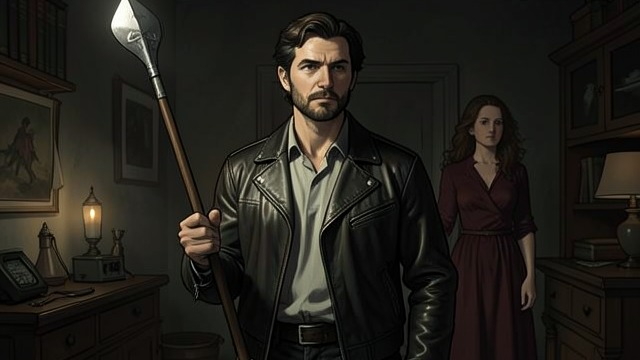
The Blade at the Ending
A Weapon Returned to Purpose
Allison gives Thobela an assegai, which he later carries when confronting Mentz. He uses the blade to demand Pakamile’s return rather than to kill her.
Restraint as the Harder Act
The weapon recalls his former identity, but the encounter ends with a bargain and a reunion. The code’s meaning shifts from making violence dramatic to choosing when not to use it.
During the first assassination in Munich
After Thobela’s first missions in Europe
1981, in the Paris encounter with Dorffling
During the first assassination recollection in the later journey
Near the ending, after the attack on Van Heerden’s home
